In this blog, you’ll get a practical look at why plants outgrow custom-built software like Fermcast, what to prioritize in a replacement, and how a full analytics platform like dataPARC fits into the picture.
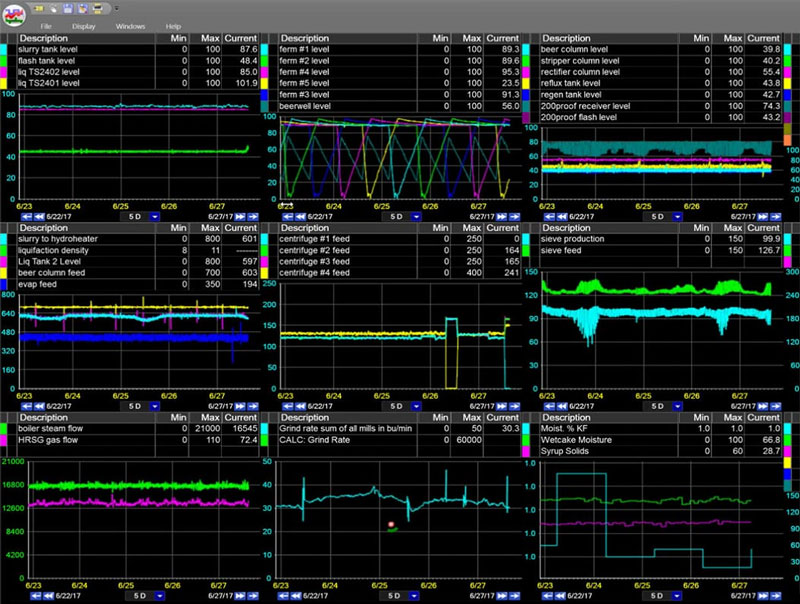
Check out dataPARC’s real-time process data analytics tools & see how better data can lead to better decisions.
Fermcast is a specific choice. It was probably chosen because your site needed something built for your plant, not around some big vendor’s roadmap. It does what you asked it to do. For a while, that’s usually enough.
Then something shifts. Maybe you added a second site. Maybe your process changed enough that the reports you built five years ago don’t answer the questions you’re asking today. Maybe a new engineer joined the team and can’t figure out how the daily production summary was put together. Or maybe you looked at the total you’ve spent on modifications over the past years and realized you’ve basically funded a small development team without ending up with a real product.
If any of that sounds familiar, this is for you.
Where Custom-Built Systems Start To Hurt
For a small ethanol plant with a narrow, well-defined data-collection workflow, Fermcast’s pitch is appealing. You get what you ask for. You don’t pay for features you’ll never use. The response times are quick, and there’s no big-vendor bureaucracy in the way.
The pattern of the custom-software story usually looks like this. Quick start. Tailored fit. Smooth first year. Maybe a smooth second year. And then reality catches up. However, here’s what tends to push plants out of the Fermcast model.
Vendor concentration risk
Fermcast is a small team. That’s part of the charm when everything’s working. It’s also the biggest risk you’re carrying. Your entire data infrastructure sits on a handful of specific people. If they get busy, if a key developer moves on, if the company changes hands, your ability to fix, extend, or even support your own system takes a hit. There’s little to no community, third-party integrators, or fallback plan. This can put sites at risk.
You got what you asked for, and that’s the problem
Sounds like a feature. Feels like one at first. But most plants don’t know exactly what they’ll need three years out. The saying goes, you don’t know what you don’t know… Off-the-shelf platforms come with things you didn’t ask for and now can’t imagine living without. Multi-tag trending. Statistical process control. KPI aggregation across shifts, lines, and sites. Anomaly detection. Custom software only ever includes what you specifically thought to specify. Not every software out there will nickle and dime you for more modules, but playing with new features can lead to better process optimization.
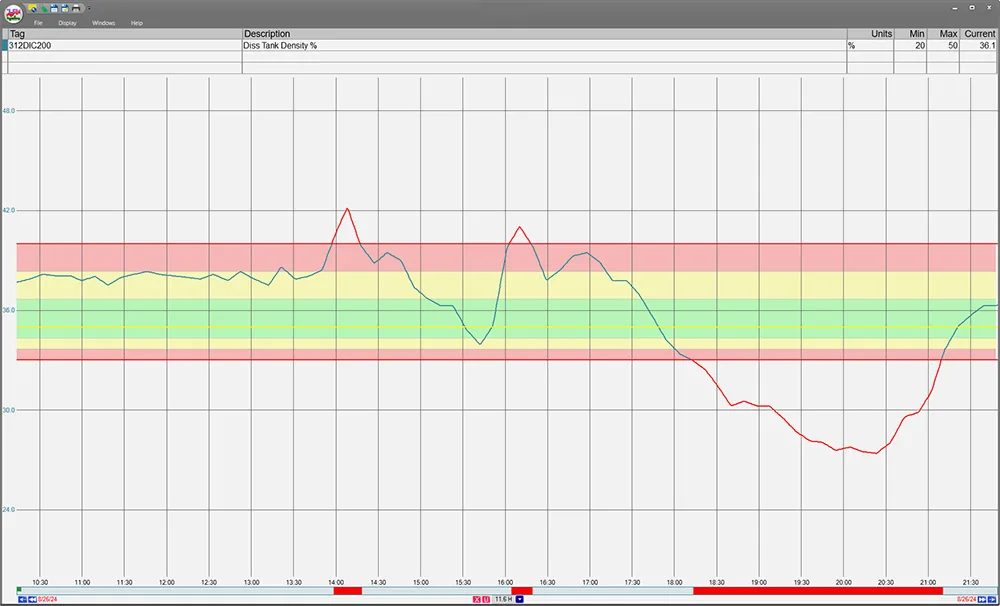
PARCview trends enable users to add limits, limit zones and track excursions with alarms and reason trees all built into the system.
There’s no historian, just a database
Fermcast stores your data. That’s not the same as running a real time-series historian. High-resolution process data, multi-year lookbacks, fast queries across millions of tag values: those workflows are what dedicated historians are built for. General-purpose databases can do a version of this, but you’ll feel the difference the first time an engineer wants to overlay eighteen months of trending across four tags and get an answer in seconds.
Every improvement is a project
Want a new report? Send an email, wait for a quote, get an estimate, approve, wait for delivery, review, tweak. Even at 24-hour turnarounds, that’s a fundamentally different experience than checking a box in a mature platform. Add up five years of custom mods and compare it against a platform license. The math tends to surprise people.
Standardization across sites gets messy
If your parent company runs more than one plant, keeping custom-built systems aligned across all of them is nearly impossible. Every site drifts. Each one’s system is technically similar, but functionally different, with its own reports, its own tags, its own quirks. Rolling up consistent numbers to corporate becomes a puzzle.
Analytics ceiling
Custom software is fine for the reports you knew you needed when you kicked off the project. It’s not built for the questions you haven’t thought to ask yet. Modern analytics platforms let engineers explore data, overlay it, correlate it, drill into anomalies. That’s a completely different capability than “open the report, review the numbers, close the report.”
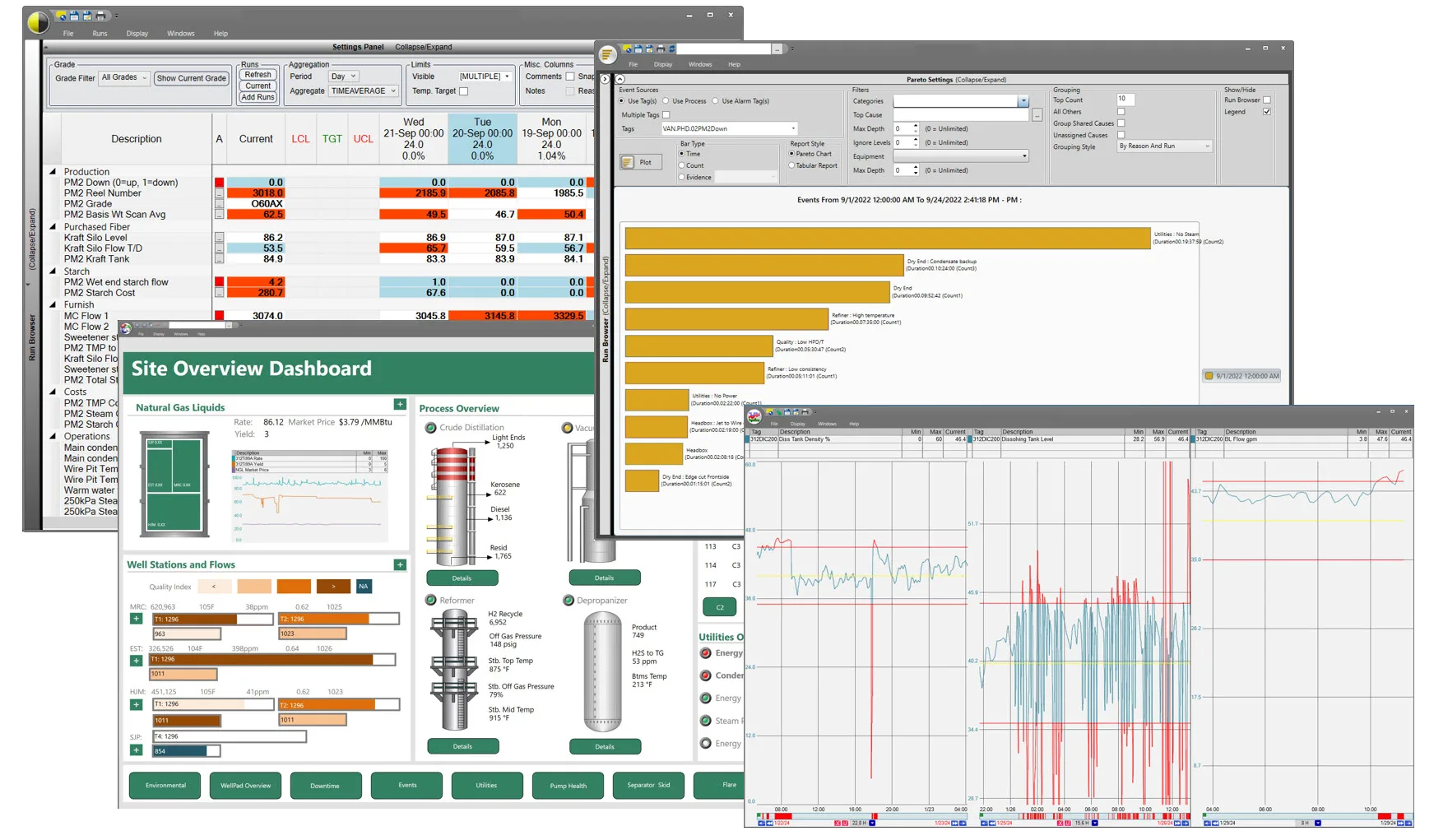
Check out dataPARC’s real-time process data analytics tools & see how better data can lead to better decisions.
What Matters In A Ferncat Replacement
Once you’re ready to look, cut through the noise with these criteria.
A product, not a project
Look for something with a real product roadmap and a paying customer base that funds ongoing improvement. That means new features roll out to you without a scope document. Bug fixes happen without a change order.
Data Historian
A real time-series historian belongs at the core of your data platform, not bolted on later. If the replacement doesn’t have one, but can sit on top of another historain it is important to upgrade. A data historain is one of the first steps in the digital transformation journey.
Trending built for investigation
Multi-tag overlays, calculated variables, and comparisons. The ability to answer “why did yields drop last Tuesday” without opening a ticket. These are all important items to look at, how is the workflow going to change and improve?
One tool that works for the whole plant
Operators need real-time displays they can actually read during a shift. Engineers need depth for troubleshooting. Management needs live KPIs and cross-shift comparisons. A replacement that only covers one of those tiers just moves your problem instead of solving it.
Predictable, transparent pricing
Watch for per-user fees that punish you for accessing your data. Look at total cost of ownership over five to ten years, not just the annual renewal. Perpetual licensing is worth pricing out, especially if you plan to use this tool for the long haul.
Where dataPARC Fits
dataPARC is a full manufacturing analytics platform. Historian, trending, KPI tracking, dashboards, and reporting, all in one product. No separate modules to license.
For engineers, PARCview handles investigation-grade trending: multi-tag overlays, calculated variables, statistical tools, and the kind of drill-in workflow that makes root-cause analysis actually possible. This is the piece Fermcast users usually notice first, because the analytics gap is often what pushed them to look in the first place.
For operators, dataPARC includes configurable real-time displays that don’t require developer time to build. Alarm overviews, live trends, and graphical elements all designed for plant-floor use.
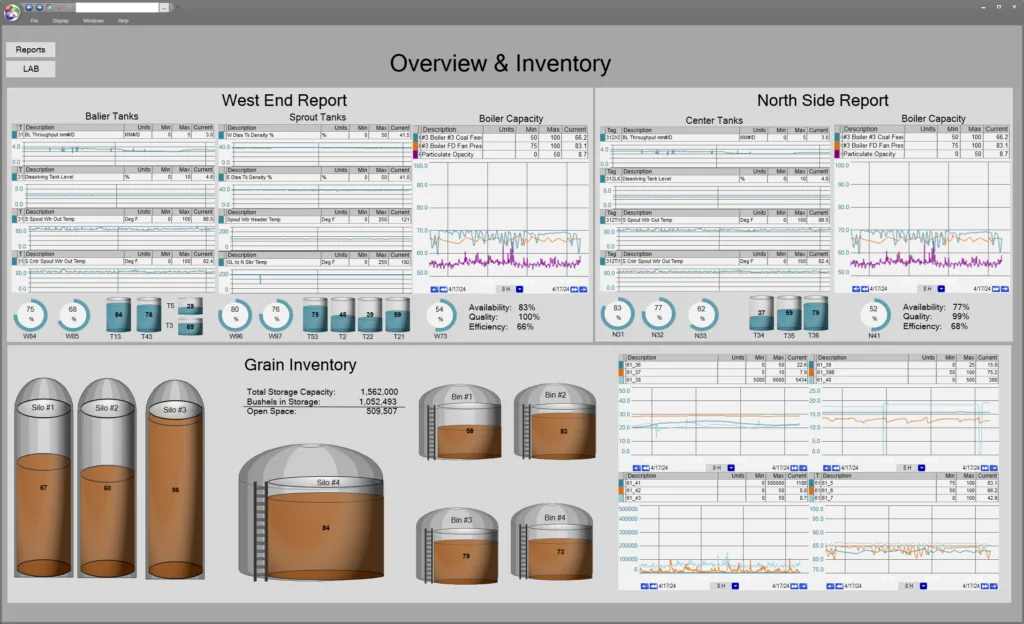
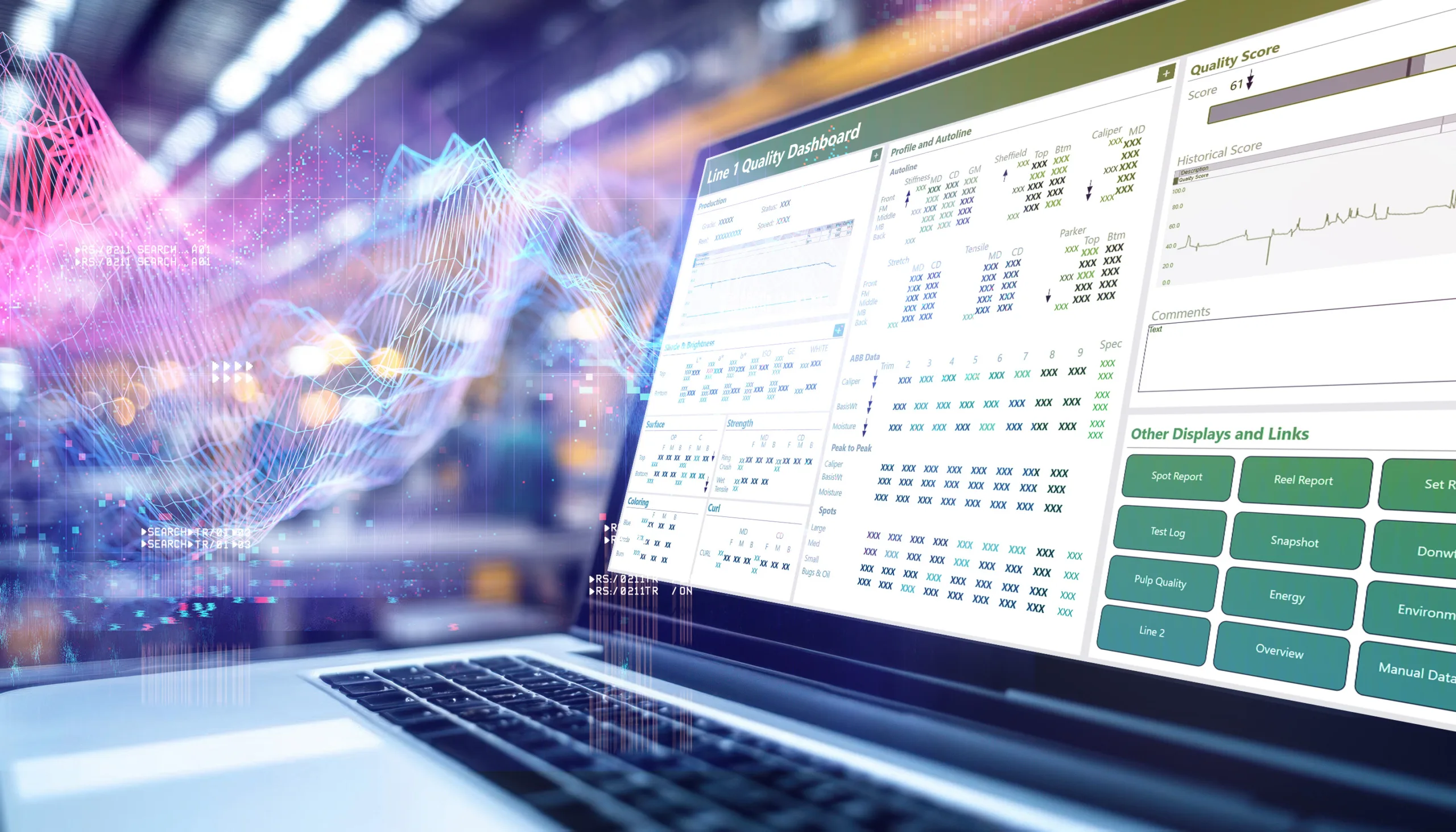
Dashboards can be created that show real-time values and are specific for your site and who is looking at the data.
For management, live dashboards pull from the same data everyone else is looking at. That means shift-over-shift comparisons, cross-line rollups, and monthly summaries that don’t require someone to compile numbers by hand.
On the vendor side, dataPARC is a purpose-built product with a broad customer base across pulp and paper, chemicals, food and beverage, ethanol, and other process industries. You get the benefit of a real product roadmap and a support organization sized for the job, without the vendor-concentration risk of a small custom shop.
On pricing, perpetual licensing is on the table. For plants that plan to use their data platform for the next decade, that model tends to come in well below the total cost of ongoing custom development plus subscription alternatives.
Questions To Ask Before You Switch
When looking for a Fermcast alterntative consider asking these questions to see if the solution fits your site.
- Is the replacement a real product with a roadmap, or another custom project dressed up differently?
- Can operators, engineers, and management all use it, or is only one group actually served?
- How does the vendor handle multi-site standardization? Can we roll out the same setup across three plants without rebuilding it three times?
- What’s the migration plan for our existing Fermcast data, reports, and workflows?
- How does pricing scale as we add tags, users, or sites?
- What’s the vendor’s support model, and how big is the team behind it? What happens if a key person leaves?
The Bottom Line
If you’re reading this, you have already determined there is probably something better out there for your site. Whether you have outgrown the system or are just looking to see what else is out there to help optimize your process.
If you’d like to see what dataPARC can offer in practice, we’re happy to walk you through a demo.
FAQ: Fermcast Alternative
- Can PARCview create custom displays and tools like Fermcast?
Yes, PARCview can create custom displays and tools. The benefit to a tool like PARCview is that it does not require 100% customization, with many out of the box tools built for industry. However, if you require a custom application many times it is possible within the flexible dashboard builder. - Does PARCview have a data entry option?
Yes, PARCview has the ability to save manual data. This data can be saved in a grid form similar to Excel, or you can create a custom dashboard that will look and feel like existing paper entires or existing entry screens. - What’s the difference between custom software like Fermcast and a full analytics platform?
Custom software is a project. You specify what you need, they build it, and every future change is another scope document. A platform is a product with its own roadmap, new features roll out to everyone, and improvements accrue to you without a change order. The trade-off is customization depth for scale, maturity, and continuous improvement.
Building The Smart Factory
A Guide to Technology and Software in Manufacturing for a Data-Drive Plant